
High-intensity interval training workout with personal trainer in Yaletown
What is high-intensity interval training workout?
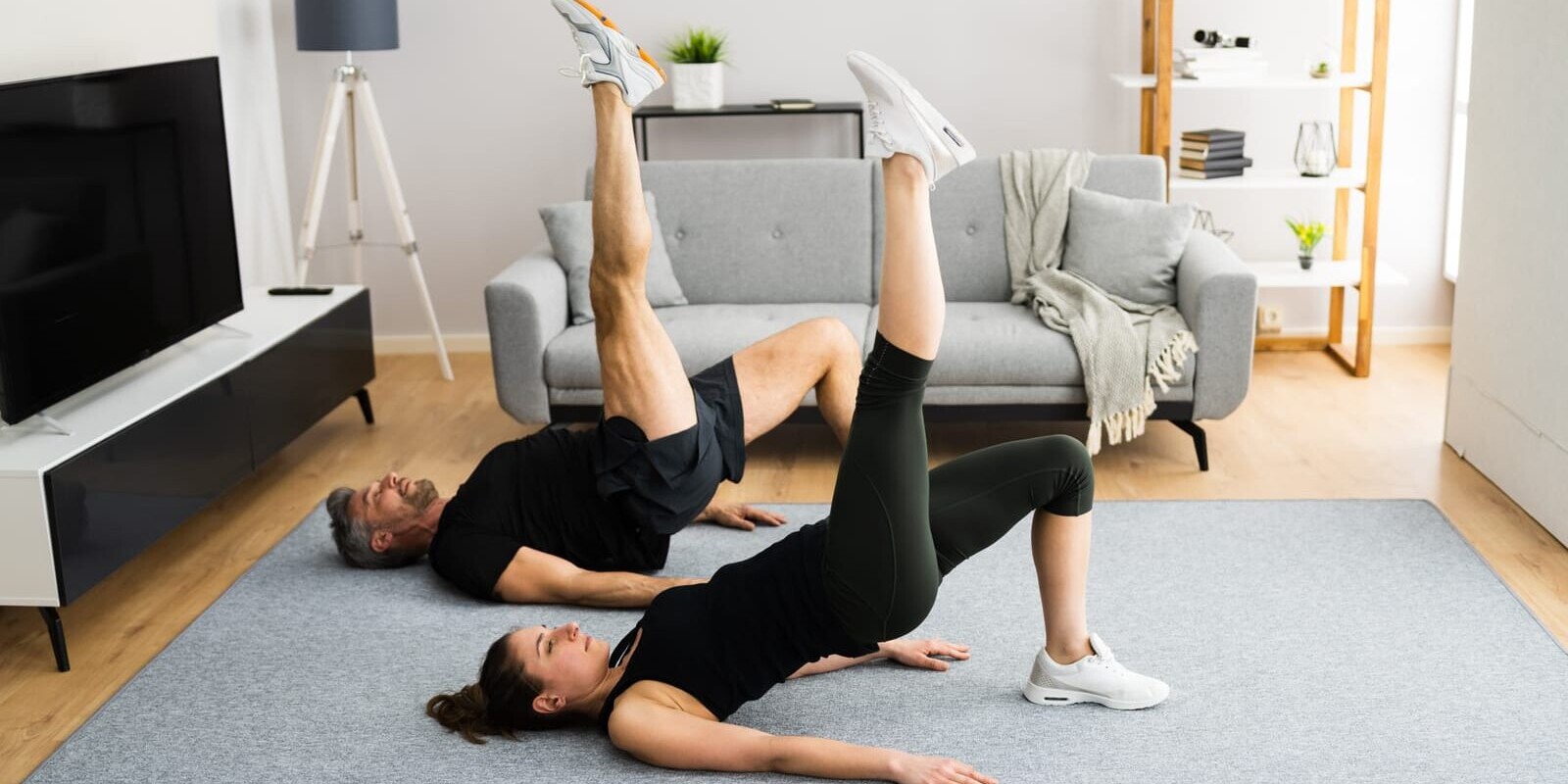
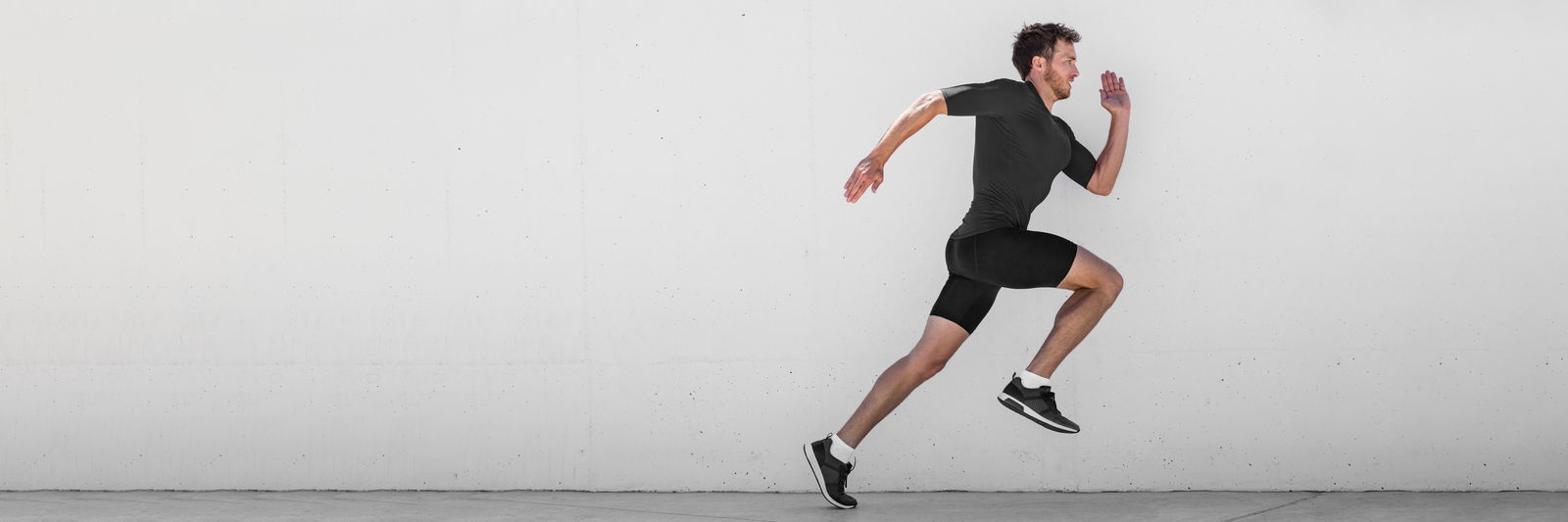
High-Intensity Interval Training, commonly known as HIIT, is a form of cardiovascular exercise strategy alternating short periods of intense anaerobic exercise with less intense recovery periods. This method has been hailed for its efficiency and effectiveness, making it a top choice for those who aim to burn calories and improve cardiovascular fitness within a shorter time span.
Why choose HIIT workout?
Efficiency: HIIT workouts are incredibly time-efficient, making them perfect for those with a busy schedule.
Increased metabolic rate: One of the key benefits of HIIT is its ability to increase your metabolic rate for hours after completion. This effect, known as EPOC (Excess Post-Exercise Oxygen Consumption), helps burn more calories even when you’re not working out.
Fat loss: HIIT is particularly effective for losing body fat. The intense bursts of activity followed by short recovery times enhance the body’s ability to burn fat more effectively than steady-state cardio.
Improved cardiovascular health: Regularly engaging in HIIT can improve heart health by increasing VO2 max, the maximum amount of oxygen your body can utilize during exercise.
Who should use HIIT workouts?
Beginners looking to improve cardiovascular health
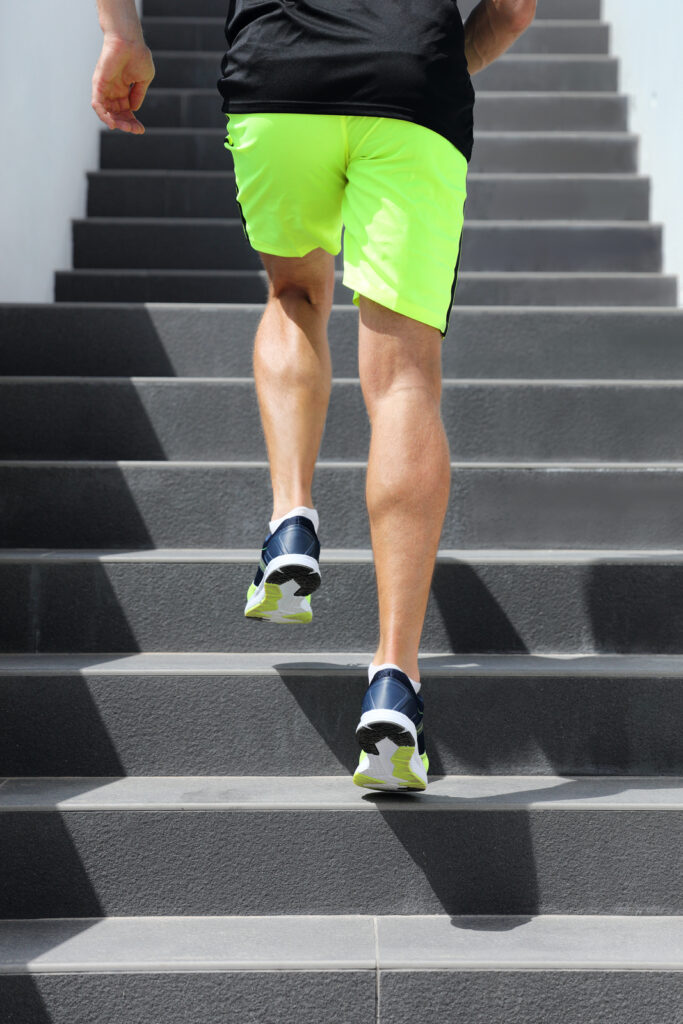
HIIT is not exclusively for advanced athletes. Beginners can also benefit significantly from this training style. Starting with modified and lower-intensity intervals allows novices to build up endurance and strength over time, improving overall heart health and stamina.
Time-pressed individuals
For those who struggle to fit longer workouts into their busy schedules, HIIT offers an efficient solution. With workouts designed to burn calories and increase fitness levels in a short span, even the busiest individuals can maintain an active lifestyle.
Weight loss seekers
Due to its high calorie-burning potential, HIIT is a good option for those looking to lose weight. The afterburn effect, where the body continues to burn calories post-exercise, can aid in fat loss, making HIIT an appealing choice for weight management.
Experienced athletes
Athletes and advanced fitness enthusiasts often turn to HIIT for its ability to improve endurance, speed, and overall athletic performance. The varied intensity levels challenge the body, pushing it to adapt and grow stronger with each session.
People seeking to break through plateaus
Those who have hit a plateau in their fitness journey may find that incorporating HIIT into their regimen provides a new stimulus for the body. The challenge of high-intensity bursts can lead to new gains and breakthroughs.
Call us if you are seeking for personalized HIIT sessions in Yaletown
Stellar Performance is known for offering personalized and effective High-Intensity Interval Training (HIIT) sessions in Yaletown, catering to a diverse range of fitness levels and goals. Each client begins with a one-on-one consultation where fitness goals, current fitness levels, any existing injuries, and personal preferences are discussed. This helps us in designing a tailored plan that aligns perfectly with your needs.
Our plan will be a mix of cardio and strength exercises tailored to enhance endurance, build muscle, and reduce fat. The workouts are structured to be dynamic and varied, keeping our clients engaged and preventing plateau.
Give us a call or book your assessment session with us here.
Start your fitness journey with our personal trainer in Yaletown
Whether your goal is strength, stability, fat loss, muscle gain, or simply moving better day to day, personal training at Stellar Performance is built to help you make real, lasting progress. Every plan starts with a one-on-one consultation so we can tailor your sessions to your current ability, health history, and lifestyle.
No two bodies are the same and neither are our programs. Your training will evolve with you, focusing on proper form, injury prevention, and safe progression so you feel confident and capable at every stage.


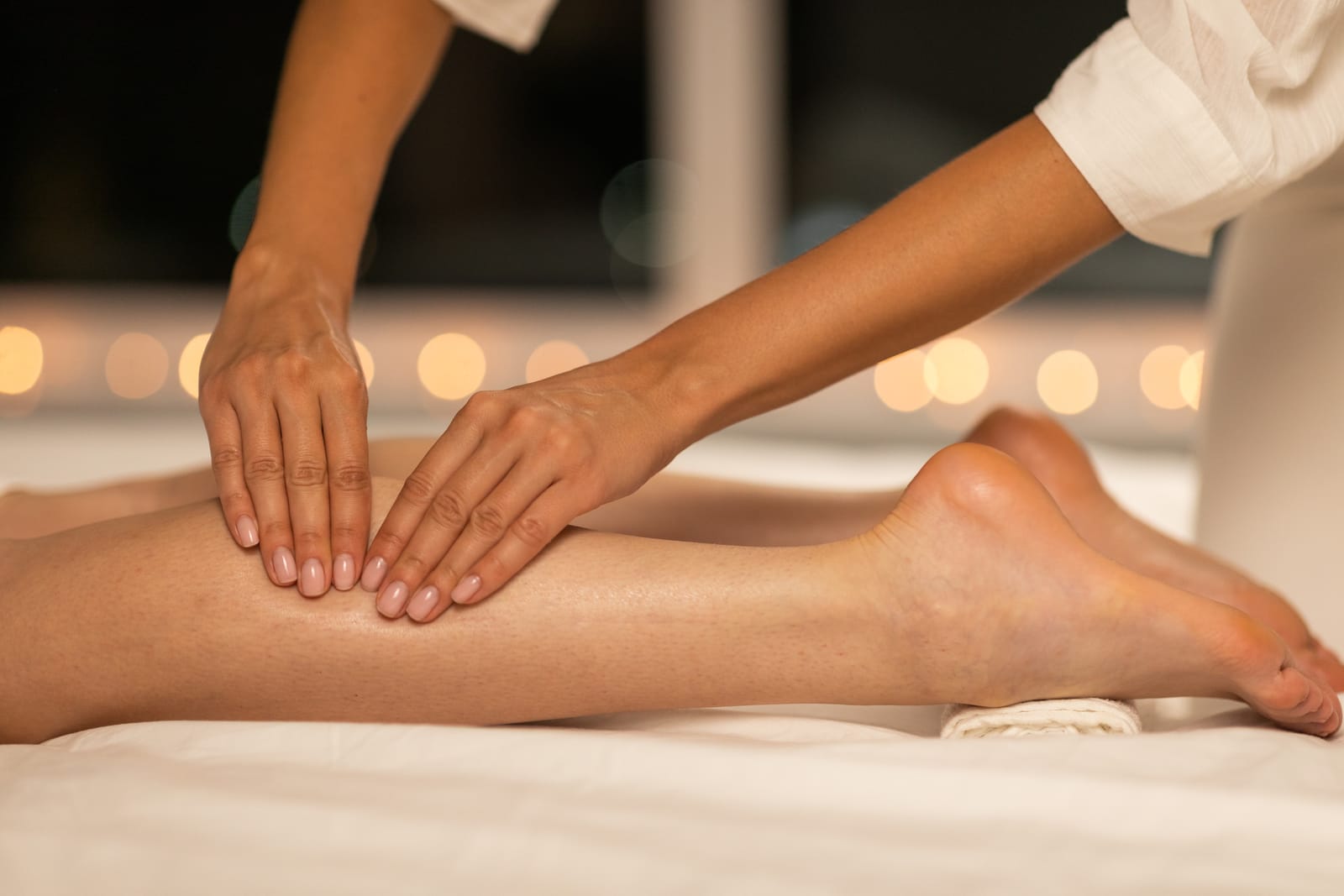
Effective soft tissue therapy in Vancouver for pain relief and injury recovery
Vancouver offers an active lifestyle brimming with outdoor opportunities, from marathon running along the Seawall to mountain biking through North Shore trails. However, this energetic way of life can sometimes lead to bodily strain, injuries and persistent muscle pain. Coupled with sedentary desk jobs, many Vancouverites find themselves suffering from repetitive strain injuries, sports-related trauma, or postural imbalances. With approximately 8 million Canadians experiencing chronic pain, understanding and caring for your body becomes crucial. And our soft tissue therapy, a comprehensive approach to tackling pain at its root, facilitating recovery, and quickly getting you back to your favorite activities.
Comprehending soft tissues: The essentials of movement
Your body’s soft tissues consist of muscles, tendons, ligaments, and fascia—a thin connective web that envelopes them all. These elements collaborate to facilitate every movement. Unfortunately, injuries, repetitive stress, or improper posture can cause micro-damage and inflammation in these tissues, leading to increased muscle tension and spasms.
During the healing process, the formation of scar tissue can become disorganized, leading to adhesions that bind tissues together. These adhesions limit mobility, restrict blood flow, and create chronic pain. Understanding these dynamics highlights the importance of soft tissues in your body’s ability to move freely and without pain.
Our soft tissue therapy in Vancouver to relieve, recover, and rebuild
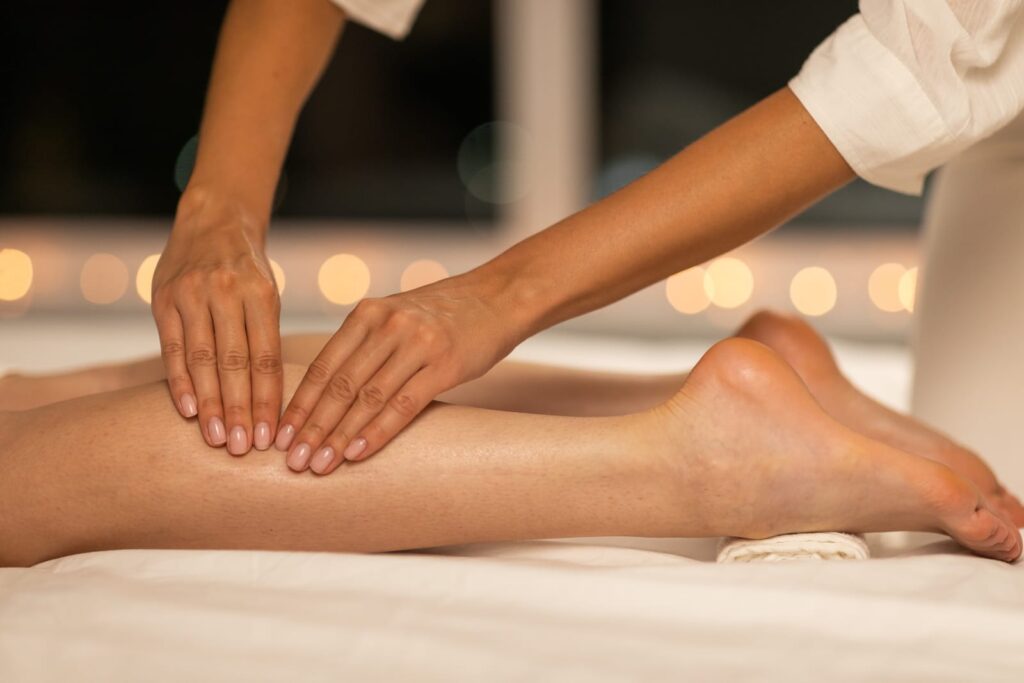
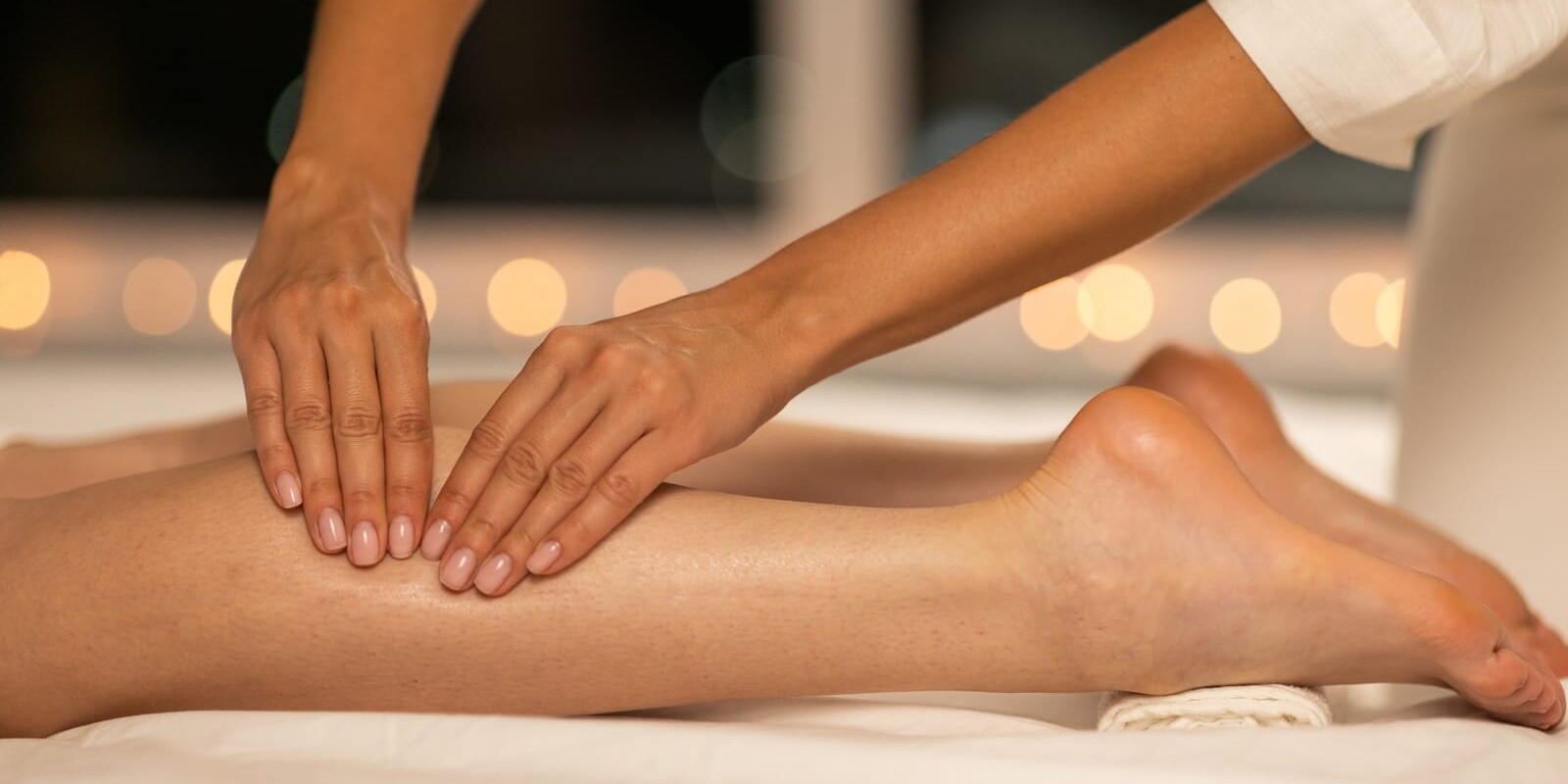
Unlike temporary fixes that only mask symptoms our soft tissue therapy targets the underlying causes of your pain, such as adhesions and muscle tension, providing lasting relief. This hands-on manual therapy enhances blood flow and delivers essential oxygen and nutrients to the affected areas, speeding up the tissue healing process. One of the primary goals of our soft tissue therapy is to restore function.
Our successful therapy improves your range of motion, enhances joint mobility, and allows muscles to fully contract and extend, thereby increasing strength.
Explore our soft tissue therapy techniques we use to help you recover fast from muscle soreness:
Soft Tissue Mobilization (STM) & Manual Therapy Techniques: Practitioners use manual techniques to assess tissue texture and relieve restrictions in muscles, ligaments, and fascia, promoting normal movement.
Instrument-Assisted Soft Tissue Mobilization (IASTM): Specialized tools detect and treat scar tissue and adhesions, allowing for precise and deep therapy.
Active Release Therapy (ART): A dynamic technique where tension is applied to a muscle during active movement, effectively breaking up adhesions.
Myofascial Release & Trigger Point Therapy: Focused pressure is applied to tight areas within the muscles and fascia to release tension and alleviate pain.
This holistic approach to soft tissue therapy at Stellar Performance addresses both muscle and joint restrictions, providing thorough and effective care. If you are suffering from chronic pain, muscle soreness, stiffness, or injury-related discomfort, and are looking to improve mobility, increase flexibility, and return to the activities you enjoy, Stellar Performance can help.
Consult with us for your personalized recovery plan in Vancouver for pain relief & injury recovery
Your path to relief begins with a thorough kinesiology assessment to identify muscle tension, restrictions, and movement imbalances that contribute to pain or discomfort. From there, we create a personalized soft tissue therapy plan that targets affected muscles, releases tightness, and restores mobility. Combined with functional movement guidance and corrective exercises, this approach helps you reduce pain, improve flexibility, and regain strength—all tailored to your lifestyle and goals.
Book your consultation today and experience the benefits of expert soft tissue therapy in Vancouver with Stellar Performance including Downtown Vancouver, West Vancouver, Kitsilano, South Vancouver, North Burnaby, Granville Island.


Kinesiologist in Vancouver: 5 movement mistakes that slow down rotator cuff healing
You’ve been doing everything right—following your physio exercises, avoiding overhead movements, giving your shoulder the attention it needs. So why does your rotator cuff injury still feel stuck in the same frustrating place it was weeks ago?
The answer often lies not in what you’re doing, but in the subtle movement patterns and recovery approaches. These hidden mistakes can quietly sabotage your healing process, turning what should be a steady path to recovery into a discouraging plateau that tests your patience and confidence.
Let’s explore the five most common movement mistakes that might be holding your rotator cuff recovery hostage—and more importantly, what you can do about them.
5 movement mistakes that slow down rotator cuff healing
Mistake#1: Treating “rest” as no movement at all
When your shoulder hurts, stopping all movement feels safe — but complete immobilization actually slows healing. A still shoulder becomes stiff, weak, and poorly circulated, making recovery harder.
What your rotator cuff truly needs is gentle, pain-free movement. Controlled motion boosts blood flow, maintains mobility, and helps tissues rebuild. Rest should mean avoiding aggravating movements — not freezing the joint entirely.
Mistake #2: Ignoring your body’s compensation patterns
When your shoulder is injured, other muscles automatically step in — your neck tightens, your upper traps overwork, your torso twists to “help.” These patterns feel normal but quietly reinforce dysfunction.
If compensations aren’t corrected, the rotator cuff never learns to work properly again. Recovery requires retraining movement: calming overactive muscles, reactivating weak ones, and re-teaching your body to move efficiently.
Mistake #3: Misjudging your progression timeline
Two extremes slow healing: pushing too fast because you feel “almost fine,” or staying too cautious because you fear reinjury. Both stall progress.
True recovery happens in the middle — slow, steady progression that challenges the shoulder just enough without provoking flare-ups. Listening to your body and advancing thoughtfully is what builds lasting strength.
Mistake #4: Treating the shoulder as an isolated problem
Your shoulder doesn’t work alone. It depends on your core, hips, and thoracic spine for stability and smooth movement. When these areas are weak or stiff, the shoulder overworks to compensate.
A strong recovery plan must include the whole kinetic chain — improving hip stability, core strength, and upper-back mobility so the shoulder can move without strain.
Mistake #5: Overlooking scapular control
The scapula is the foundation of shoulder function. If it wings, elevates, or fails to rotate properly, the rotator cuff is forced into stressful positions that prevent healing.
Training the right muscles — serratus anterior, lower traps, rhomboids — restores healthy scapular movement. This creates the stable base your shoulder needs for pain-free, efficient motion.
How our kinesiologist in Vancouver can help you in this situation?

Our Kinesiologist in Vancouver can help you bridge the gap between “doing exercises” and moving in a way that actually heals your shoulder. Rotator cuff injuries are rarely about one weak muscle — they’re about patterns, timing, posture, compensations, and how your entire body organizes movement. Our kinesiologist identifies all of this and helps you correct it safely.
Here’s how it works at Stellar Performance
Correcting compensation patterns: Our kinesiologist can immediately spot when other muscles — like your neck or upper traps — are taking over for your injured shoulder. We can help you retrain your movement so the right muscles do the right work, which prevents chronic pain and speeds healing.
Guiding safe, proper progression: You’ll know exactly when to increase weight, when to pause, and when to modify. This prevents flare-ups and ensures every stage of rehab builds on the last.
Restoring scapular control: Most people struggle to activate the muscles that stabilize the shoulder blade. Our kinesiologist teaches you how to move your scapula properly — a crucial step for long-term rotator cuff health.
Addressing the whole body, not just the shoulder: Weak hips, limited core strength, or a stiff thoracic spine all force the shoulder to overwork. At Stellar Performance, we can help you build a program that strengthens your entire kinetic chain, creating balance and reducing strain on the rotator cuff.
Customizing every detail to your body: Your injury history, daily habits, posture, and movement patterns are unique. At Stellar Performance, we provide custom movement-based plans to aid our clients in moving better while decreasing symptoms like pain, fatigue and discomfort.


In-home personal training in Yaletown for busy parents ditching gym memberships
The notification arrives on your phone—another monthly charge for the gym membership you haven’t used in three weeks. Guilt and frustration twist in your stomach. You had good intentions: three weekly workouts, reclaiming your strength, feeling like yourself again. But between school mornings, work, and bedtime routines, the gym keeps slipping down the list—until it disappears entirely.
Fitness is changing, especially for busy parents. It’s not about finding more time—it’s about using it smarter. Personalized expertise, delivered in your own space, is far more effective than generic workouts at a gym you have to get to.
In-home personal training for busy parents ditching gym memberships
Fitness doesn’t have to be another item on your never-ending to-do list. Our In-home personal training in Yaletown brings the expertise of a personal trainer directly to your living room. Forget crowded machines, waiting for equipment, or spending 30 minutes driving to a gym. Every session is tailored to your goals, schedule, and space—because your fitness journey should fit you, not the other way around.

What’s included in our mobile personal training services?
Personalized one-on-one coaching: In-home personal training means you get a certified trainer who focuses solely on your goals, abilities, and limitations. Unlike group classes or online videos, every exercise is tailored specifically for you. This ensures you make progress faster and safely, without wasting time on movements that don’t suit your body.
Flexibility that fits your schedule: No more rushing to the gym or rearranging your day around fixed class times. In-home training allows you to schedule workouts around your family and work life—whether that’s early mornings, lunch breaks, or after the kids are asleep. Your fitness routine finally works with your life, not against it.
Minimal equipment, maximum results: You don’t need a room full of expensive machines to see results. In-home trainers use simple equipment like dumbbells, resistance bands, or even bodyweight exercises to deliver high-impact workouts. The focus is on efficiency and effectiveness, so every movement has a purpose.
Expert guidance and motivation: One of the biggest challenges of working out at home is staying motivated and doing exercises correctly. Your in-home trainer coaches you in real-time, correcting form, adjusting intensity, and keeping you accountable. It’s the same professional guidance you’d get in a gym, but without the distractions or intimidation.
Why Stellar Performance for in-home personal training in Yaletown?
At Stellar Performance, we specialize in bringing professional personal training to your home in Yaletown. Our trainer – Cassandra Angus combine science-backed methods with practical strategies for busy lifestyles. From high-intensity circuits to functional strength training, we craft programs that work around your life, not against it. We focus on sustainable results: improving strength, endurance, and mobility so that you can keep up with your kids, your career, and your life.


Soft tissue release therapy in Vancouver: 5 signs your body indicates you need STR
Is your body trying to tell you something?
Your body communicates with you every moment of every day, but somewhere along the way, many of us stopped listening. Dull ache in your shoulders (link back to blog 1) after a long day at the computer becomes mere background noise. The stiffness that greets you each morning transforms into just another part of getting older. The persistent tension that follows you from work to home gradually becomes your new normal.
5 signs your body indicates you need soft tissue release therapy
Sign #1: The Tension That Never Leaves
Persistent muscle tension that doesn’t respond to rest or self-care is a common signal your body sends. Despite efforts like hot showers or stretching, tightness in your neck and shoulders (Link back to the shoulder blog) returns quickly, indicating chronic contraction and potential adhesions. This ongoing tension doesn’t just affect physical comfort; it can also disrupt your sleep, mood, and energy levels. Our Soft Tissue Release Therapy can effectively release deep-seated tension and help retrain your nervous system.
Sign #2: Pain That Follows Predictable Patterns
Recurring pain at specific times or locations suggests underlying soft tissue dysfunction. For instance, if you experience upper back pain after meetings, it may indicate muscle imbalances and compensatory movement patterns. Anticipating this discomfort can create additional tension. Professional intervention is crucial to address these patterns and restore balance, as your body’s natural healing mechanisms may be overwhelmed.
Sign #3: Your Range of Motion Has Quietly Disappeared
A gradual loss of flexibility can make daily activities uncomfortable. You might struggle with movements like reaching overhead or bending down. This limitation occurs as soft tissues adapt to restricted patterns, leading to stiffness. The psychological impact can be significant, causing you to withdraw from physical activities. Our professional Soft Tissue Release Therapy aims to restore tissue pliability and improve mobility, enhancing your overall function.
Sign #4: Sleep Becomes a Battle Against Your Body
If physical discomfort is disrupting your sleep, it signals a need for professional help. Poor sleep quality prevents natural relaxation and tissue recovery, creating a cycle of tension and fatigue. Common symptoms include waking up with stiffness or discomfort in specific areas. This disruption negatively affects cognitive and emotional well-being. Our STR Therapy can release tension, improve alignment for better sleep, and enhance restorative processes.
Sign #5: The Emotional Weight of Physical Struggle
Chronic discomfort can affect your mood and motivation, indicating a need for intervention. Persistent pain activates the stress response, leading to irritability and a disconnection from your body. This emotional toll can foster social withdrawal and pessimism about health. Our STR Therapy not only provides physical relief but also addresses emotional struggles, often resulting in significant improvements in both areas.
Book your soft tissue release therapy in Vancouver with Stellar Performance
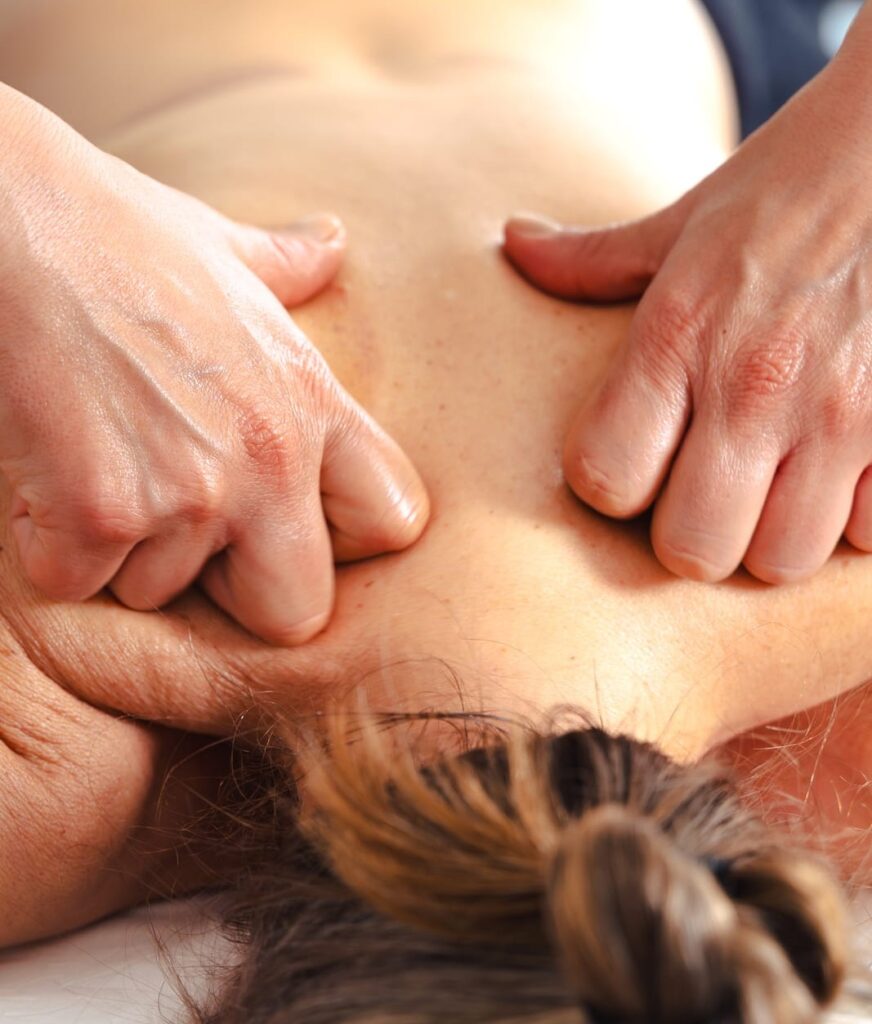
Your body deserves professional care, and our expert kinesiologist in Vancouver offers just that through Soft Tissue Release Therapy. We use a hands-on technique that combines targeted massage with active and assisted stretching to treat muscle and connective tissue. This approach goes beyond passive massage; it’s intentional, interactive, and designed for real results—helping relieve pain, improve flexibility, and support postural and muscular health. Every session is tailored to your body, lifestyle, and goals.
STR is ideal for people who:
- Are recovering from injury or surgery (e.g., whiplash, ACL recovery)
- Experience chronic muscle soreness, tension, or limited mobility
- Need focused care on specific pain points (e.g., shoulder, hip, hamstrings)
- Want an active, therapeutic approach to recovery and release
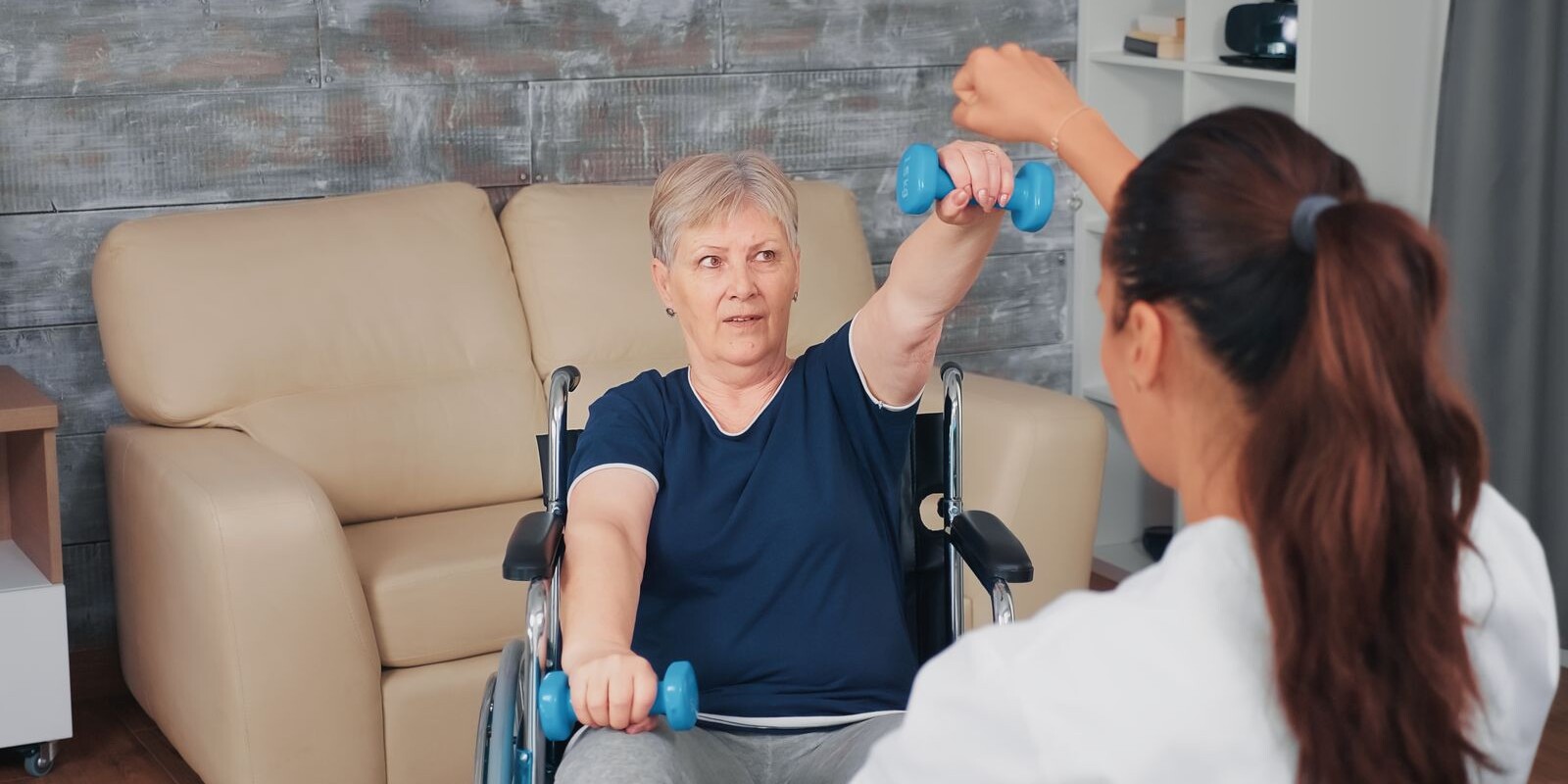

Kinesiologist in Vancouver for ICBC active rehab to help you recover from car accidents
ICBC’s Active Rehab program represents a fundamental shift in how motor vehicle accident injuries are treated. Instead of focusing solely on passive treatments, this program emphasizes active participation in your recovery through supervised exercise and movement-based interventions. The philosophy behind Active Rehab recognizes that your body heals most effectively when it’s moving correctly and progressively challenging itself with professional guidance.
Since May 2021, Enhanced Care covers everyone for 12 weeks after their crash no matter who was responsible. That means you don’t have to wait to start your pre-approved treatments. All you need is your ICBC claim number, which is created when you submit your claim.
You can book your kinesiology treatment for ICBC Active Rehab here
What makes our Kinesiologist your ideal recovery partner?
While medical doctors diagnose and treat conditions, and physiotherapists focus on reducing pain and improving basic function, our certified kinesiologist in Vancouver specializes in human movement and exercise science. We understand how your body moves as an integrated system and can design programs that restore optimal function.
We possess the analytical skills to identify where your movement patterns have gone awry, along with the practical knowledge to guide you back to optimal function. Our expertise includes extensive training in anatomy, biomechanics, exercise physiology, and motor learning—all essential for understanding how car accident injuries affect your body and how to address them effectively.
ICBC active rehab process: What to expect during your recovery journey
Beginning your ICBC Active Rehab journey with our kinesiologist in Vancouver (serving areas like West Vancouver, Downtown Vancouver, Granville Island) involves a structured yet flexible process tailored to your individual needs and recovery goals. Understanding what to expect can help you approach your rehabilitation with confidence.
Comprehensive assessment & initial sessions
Your initial sessions will focus heavily on assessment and education. While this might seem like a slow start, this foundation is crucial for developing an effective treatment plan. Our kinesiologist will need to understand not just what happened in your accident and what hurts now, but also how these factors are affecting your entire movement system. You’ll also learn about your specific injuries and how they typically heal.

Progressive exercise programming
Our kinesiologist-led Active Rehab features a systematic progression of exercises designed to gradually restore your full function. We follow established principles of tissue healing and motor learning, ensuring each phase builds upon the previous one.
Initially, your exercises might focus on basic movement awareness and gentle mobility work. While these may seem simple, they lay the groundwork for more advanced activities later in your program. As your tissues heal and your movement quality improves, your program will gradually incorporate more challenging exercises that address strength, endurance, and functional movement patterns.
This progressive approach respects your body’s natural healing timeline while continuously challenging you to improve.
Functional movement integration
One of the key advantages of working with our kinesiologist at Stellar Performance is our focus on functional movement integration. Your exercises are designed not just to make you stronger or more flexible in isolation, but to improve your ability to perform real-world activities.
Imagine you’re an office worker who spends considerable time at a computer. Our kinesiologist will incorporate exercises that address the demands of prolonged sitting and the transitions between sitting and standing. If you’re a parent who regularly lifts children, your program will include progressive loading exercises that prepare your body for these demands.
This functional approach ensures that the improvements you make during rehabilitation translate directly into easier, pain-free daily living. Rather than feeling strong only in the clinic, you’ll develop confidence in your body’s ability to handle all the activities that matter to you.
Book your kinesiology assessment with our certified kinesiologist in Vancouver.
Stellar Performance: Your Kinesiologist in Vancouver for ICBC active rehab
Your car accident may have disrupted your life in unexpected ways, but it doesn’t have to define your future physical capabilities or quality of life. The ICBC Active Rehab program, guided by a qualified kinesiologist, offers you a pathway not just back to where you were before your accident, but potentially to better function.
Our kinesiologist in Vancouver combines the best of movement science with practical, results-oriented rehabilitation strategies. Our focus on your complete recovery—addressing not just your symptoms but your overall movement system—creates a foundation for lasting improvement and future injury prevention.
Ready to get started?
Book your consultation here to learn more about how we can help you achieve your recovery goals.


Kinesiologist in Kitsilano on West Broadway shares what your tight shoulders tells you about your lifestyle
That familiar ache between your shoulder blades isn’t just a minor inconvenience—it’s your body sending you an urgent message about how you’re living your life. Every morning, thousands of people wake up rolling their shoulders, trying to work out that persistent knot that seems to have taken up permanent residence in their upper back.
Your local Kinesiologist in Kitsilano at Stellar Performance specialized in decoding these physical messages by analyzing how your body moves and compensates. Through movement assessment and muscle testing, our kinesiology services can help to reveals the underlying patterns that create tension, going beyond surface symptoms to address root causes.
Struggling with any body pains or recovering from Injury and need help! Schedule your consultation here with our certified Kinesiologist in Kitsilano.
Modern lifestyle patterns that create “tight shoulders” problems

The way we live today creates remarkably similar shoulder problems across different populations. Whether you’re hunched over a laptop, looking down at your phone, or maintaining static positions for extended periods, your shoulders adapt by changing their resting position and altering the length-tension relationships of surrounding muscles.
The Forward Head Posture Cascade: When your head moves forward of its optimal position—a nearly inevitable result of screen-based work—your entire shoulder complex must compensate. Your upper trapezius muscles work overtime to support your head’s weight, while your deep neck flexors weaken from disuse. Meanwhile, your chest muscles gradually shorten, pulling your shoulders forward and creating a rounded shoulder posture that becomes increasingly difficult to reverse without intervention.
The Breathing Connection You’re Missing: Your breathing pattern directly influences shoulder tension in ways that might surprise you. When you’re stressed, focused, or maintaining poor posture, your breathing naturally becomes shallower and shifts toward using accessory breathing muscles in your neck and shoulders. Over time, these muscles—designed for occasional assistance—become overworked and chronically tight. This creates a self-perpetuating cycle where shoulder tension restricts breathing capacity, which increases stress and further tightens the shoulders.
Using accurate kinesiology techniques, our expert kinesiologist in Kitsilano, Vancouver working with clients in the neighbourhood: Fairview, Mount Pleasant, Oakridge, Mount Pleasant, South Granville & surroundings can help assessing what contributes to shoulder tension and provide specific interventions to relief your shoulder tensions.
The movement messages your body sends daily
Your body constantly adapts to the demands you place on it, and these adaptations become visible through movement patterns. The way you reach for something overhead, how you turn to look behind you, or the path your arm takes when putting on a jacket all reveal information about how your shoulder complex has adapted to your lifestyle.
Compensation Patterns and Their Triggers: When one part of your shoulder complex becomes restricted or weak, other areas compensate to maintain function. You might develop the habit of elevating your entire shoulder when reaching overhead to compensate for limited shoulder blade movement. Or you might rotate your entire torso to look to the side rather than turning just your head and neck, indicating restrictions in your cervical spine mobility.
These compensations often feel normal because they develop gradually, but they create inefficient movement patterns that increase wear and tear on joints and soft tissues. Over time, the compensating areas become overworked and develop their own problems, creating complex patterns that can be challenging to unravel without professional assessment.
The Cumulative Effect of Micro-Movements: The small, repeated movements you perform throughout the day often have more impact on your shoulder health than occasional large movements. The way you hold your phone, position your mouse, or carry your bag creates micro-stresses that accumulate over time into significant dysfunction.
Picture how many times per day you reach for your mouse with your shoulder slightly elevated and rotated forward. Each repetition reinforces this pattern, gradually training your nervous system to see this as the normal position for reaching movements. Over weeks and months, this becomes your default shoulder position for all reaching activities.
Our Kinesiology assessment can identify these subtle patterns and provide awareness about how seemingly insignificant daily habits contribute to your shoulder problems.
Book your kinesiology assessment with our Kinesiologist in Kitsilano on West Broadway
Our professional kinesiology assessment offers the precision and personalization necessary to decode your body’s specific messages and provide targeted solutions. Our kinesiology services rooted in care, expertise and lived experience.
Book your consultation with our certified kinesiologist whether you’re recovering from an injury, managing chronic pain, or simply looking to move more freely.